After more than two decades of intensive negotiations, a historic milestone has been reached: the free trade agreement between the European Union and the Mercosur states (Brazil, Argentina, Uruguay, and Paraguay) has been signed.
While media coverage often focuses on sensitive debates regarding agricultural imports, a crucial perspective remains overlooked: the massive structural opportunities for the German industrial and service sectors. In an era where diversification is paramount, this agreement offers far more than just tariff savings.
What is the EU-Mercosur Agreement?
This partnership creates one of the world's largest free trade zones, encompassing a market of over 700 million people. The goal is to fundamentally facilitate trade between the two blocs.
Key points at a glance:
-
Tariff Elimination: Gradual removal of customs duties on over 90% of traded goods.
-
Standardization: Harmonization of technical standards and regulatory cooperation.
-
Market Access: Easier access to public procurement contracts in South America for European firms.
Why the Agreement is a "Gamechanger" for Germany
For German companies—ranging from global players to highly specialized SMEs—the removal of existing protectionist barriers provides four central advantages:
1. Massive Export Boost through Tariff Removal
South America has historically been one of the most protected markets in the world. German products were often artificially inflated by high import duties. With the agreement, these burdens are lifted:
-
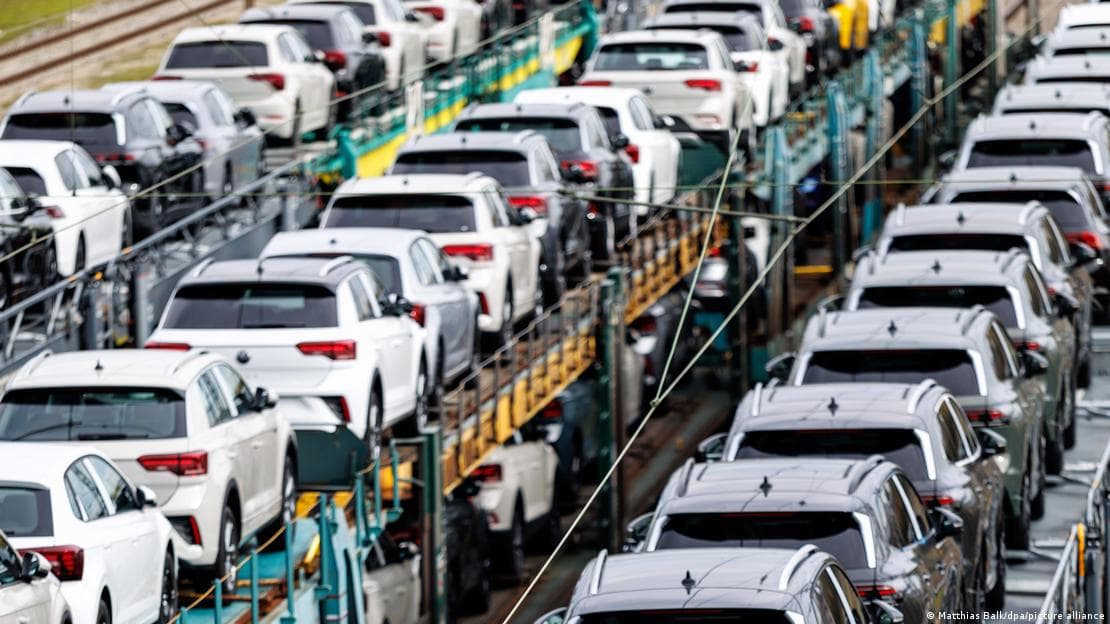
Automotive Sector: Elimination of tariffs up to 35%.
-
Machinery & Chemicals: Reduction of tariff rates between 14% and 18%.
-
Textiles & Pharma: Significant easing that makes "Made in Germany" more competitive overnight.
2. Resilience through Raw Material Security
The green transformation and digitalization of the German economy depend heavily on the availability of critical resources. South America is rich in lithium, copper, and rare earths. The agreement guarantees non-discriminatory access to these raw materials, reducing one-sided dependencies on individual global markets (particularly China).
3. Opening Doors for SMEs
In the past, many medium-sized companies were deterred by bureaucratic hurdles and opaque technical regulations. By simplifying conformity assessments and mutually recognizing standards, entry barriers are falling significantly. Specialized German providers can now compete for public contracts on a level playing field.
4. Geopolitical Sovereignty
In an era of global trade conflicts, Europe is sending a clear signal. The agreement strengthens the EU's role as an independent, capable bloc between the USA and China, providing long-term planning security for businesses.
Conclusion: A Historic Opportunity with "Homework"
Of course, the agreement is not a self-running success. Market access comes with new regulatory requirements, particularly regarding sustainability and supply chain transparency. However, the benefits far outweigh the challenges: it offers a historic chance to diversify supply chains and enter growth markets that were inaccessible for years.
How is your company preparing for this new era? Is South America already a part of your sourcing strategy, or are you planning your market entry? We are happy to support you in analyzing your potential in this new free trade zone.
Image credit: Matthias Balk/dpa/picture alliance