Importing goods from China is a key competitive factor for German companies — yet transportation presents significant challenges: Which transport route is the right one? How long does shipping take? What costs are involved? And how does customs clearance work?
In this guide, we explain the main transport options from China to Germany, compare sea freight, air freight, and rail transport, and outline what to consider when selecting a logistics partner.
Sea Freight
Duration: 30–40 days (ports: Shanghai, Shenzhen → Hamburg, Bremerhaven)
Costs: Most cost-effective option for large volumes (approx. €1,500–3,000 per container)
Suitable for: Non-time-critical shipments, large quantities
Air Freight
Duration: 3–7 days
Costs: €4–8 per kg (significantly more expensive than sea freight)
Suitable for: Urgent shipments, high-value or perishable goods
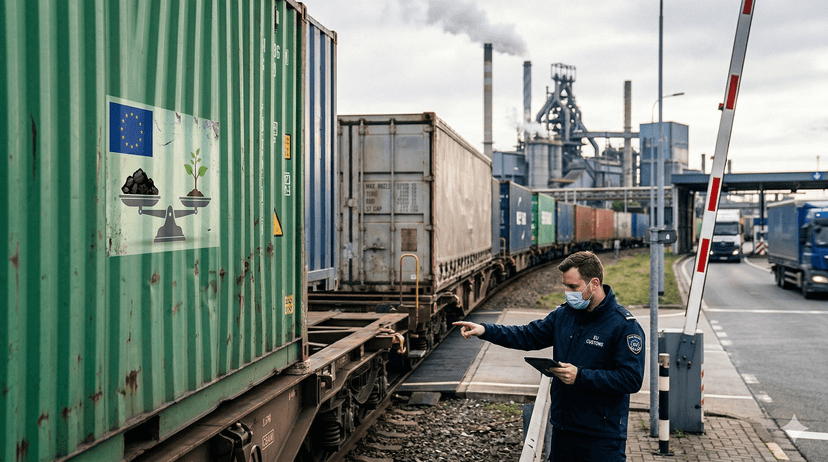
Rail Transport (China–Europe Express)
Duration: 14–18 days
Costs: Mid-range between sea and air freight
Suitable for: Medium urgency, medium-value goods
Total costs consist of:
Cost Factor | Description
Freight costs | Depending on weight, volume, and mode of transport
Customs duties | Import VAT (19%) + product-specific tariffs
Handling | Loading, unloading, storage
Insurance | Recommended for all shipments
Incoterms | FOB, CIF, DDP influence cost allocation
Practical tip: At Kaiserberg, you receive transparent calculations including all cost components — without hidden fees.
Many importers underestimate the complexity of customs clearance. Incorrect documentation can lead to:
Delays at customs
Additional payments and penalties
Seizure of goods
Required documents:
Commercial Invoice
Packing List
Bill of Lading / Airway Bill
Certificate of Origin
CE marking (depending on the product)
Kaiserberg advantage: As a German company with China expertise, we handle the entire customs clearance process — from document verification to final release.
Pay attention to:
Experience with China imports — Local contacts and language proficiency
Transparent pricing structure — No hidden costs
Full-service offering — Sourcing, quality control, and logistics from a single source
German-speaking contacts — Direct communication without language barriers
The choice of transport route directly impacts your costs and delivery times. While sea freight is cost-efficient for large volumes, air freight offers flexibility for urgent orders. Rail transport is establishing itself as an attractive mid-range option.
Next step: Planning an import from China? Contact Kaiserberg for a non-binding transport calculation — including customs clearance and quality inspection.