CBAM: The New CO2 Border Adjustment – Incl. Checklist
Anyone importing certain goods into the EU will soon have to pay for their carbon footprint. The Carbon Border Adjustment Mechanism (CBAM) aims to create a global level playing field and reduce carbon emissions associated with imports. In this article, free of bureaucratic jargon, you will learn what CBAM means for your procurement, what obligations apply to you, and how to secure legal compliance.
What is CBAM and Who is Affected?
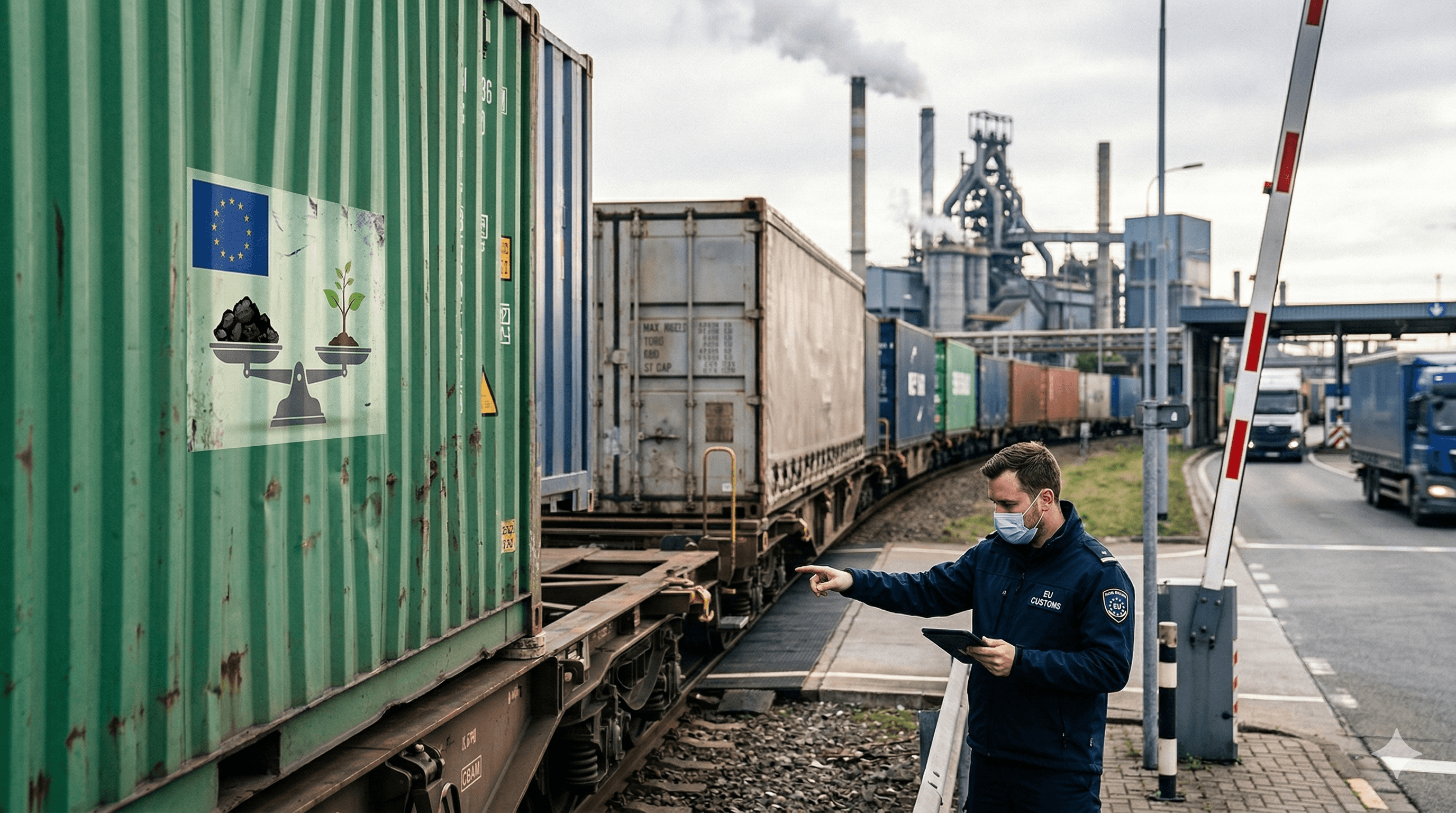
The EU’s Carbon Border Adjustment Mechanism requires importers to disclose the carbon content of imported goods and gradually purchase certificates for the embedded emissions of these products. The European Union’s goal is to prevent competitive disadvantages for domestic producers subject to the EU Emissions Trading System (EU ETS) and to avoid carbon leakage (the relocation of carbon-intensive production abroad).
All EU-based companies importing goods from non-EU countries (e.g., China, India, USA, Turkey) into the EU customs territory are affected, provided these goods fall under the regulated product categories.
CBAM Focus: Starting in 2026, the CO2 border adjustment will primarily affect energy-intensive sectors such as steel, aluminum, cement, fertilizers, hydrogen, and electricity. Importers will gradually need to acquire paid certificates for embedded emissions.
Which Product Groups Fall Under CBAM?
Currently, the CBAM regulation primarily covers energy- and emission-intensive basic materials and downstream goods produced from them:
- Iron and Steel: Raw materials, bars, pipes, wire, sheets, as well as screws, nuts, and structural elements made from them.
- Aluminum: Unwrought aluminum, aluminum profiles, alloys, sheets, wire, and foils.
- Cement: Clinker, cement mixtures, and processed building materials.
- Fertilizers: Ammonia, nitric acid, and mixed chemical fertilizers.
- Hydrogen: Pure hydrogen and industrial derivatives.
- Electricity: Power imports from non-EU states.
The CBAM Timeline: From the Transitional Phase to the Definitive Phase
CBAM implementation takes place in two key phases to enable a gradual adjustment for importers and suppliers:
- Transitional Phase (since October 1, 2023): Importers must submit quarterly CBAM reports via the EU portal. Reporting is mandatory for imported quantities and their embedded direct and indirect emissions. No financial adjustment payments (certificates) are required during this phase.
- Definitive Phase (starting January 1, 2026): The obligation to purchase CBAM certificates comes into effect. Only authorized CBAM declarants will be permitted to import affected goods into the EU. Certificate prices will reflect the weekly auction prices of EU ETS allowances.
Key Obligations for Importers
As an EU importer, you bear full legal responsibility for complying with CBAM regulations. Non-compliance can result in substantial penalties and fines per ton of unreported emissions.
| Requirement / Obligation | Status & Relevance |
|---|
| • Authorized CBAM Declarant Status | Required prior to import (from 2026) |
| • Data collection from suppliers (actual data) | Mandatory |
| • Verification by accredited verifiers | Verifiable proof |
| • Annual purchase & surrender of CBAM certificates | Obligatory (from 2026) |
Checklist: CBAM Compliance for Your Procurement
Use this practical checklist to ensure your business remains compliant and meets all requirements on time:
- Check HS codes: Cross-reference your product portfolio with the list of CBAM-covered goods (especially HS codes for steel, aluminum, and chemicals).
- Register in the CBAM Transitional Registry: Set up access to the EU portal and activate permissions in your customs portal.
- Sensitize suppliers: Reach out to non-EU manufacturers regarding the provision of carbon emission data calculated according to EU methodologies.
- Standardize data submission: Provide templates and datasheets for collecting direct (production) and indirect (electricity consumption) emissions.
- Submit quarterly reports on time: Upload CBAM reports to the portal by the end of the month following each calendar quarter.
- Apply for Authorized Declarant Status: Prepare application procedures early before the definitive phase takes effect in 2026.
- Adjust cost calculations: Incorporate future CBAM certificate expenses into purchasing prices and product costing models.
How Kaiserberg Trading Supports Your CBAM Compliance
Obtaining valid emissions data in Asia presents significant hurdles for European companies. Kaiserberg Trading combines German quality standards with operational teams located directly on-site in China and Asia.
- On-site data collection: Direct communication with manufacturers in their local language to collect precise production and emissions data.
- Auditing & verification: Reviewing supplier data for completeness and plausibility in line with EU standards.
- Compliance consulting: Assisting with HS code mapping and fulfilling import documentation obligations.
Avoid risks and customs delays. Contact Kaiserberg Trading for a non-binding initial consultation regarding your imports and CBAM requirements.